Tripcamps
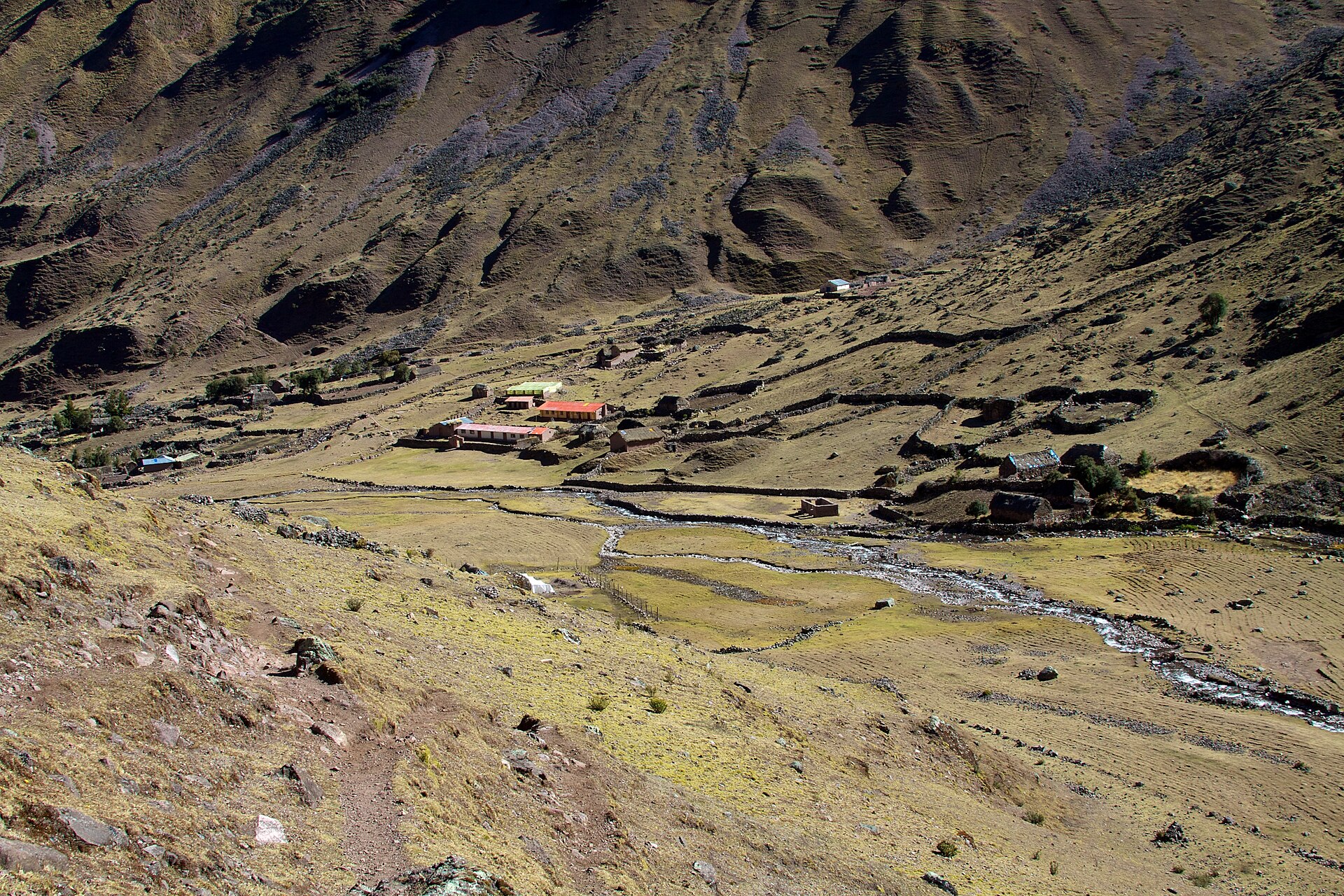
Quechua village and Andean landscape on the Lares trekking route
Moderate

Lares Trek

A quieter, culture-focused route through Quechua weaving villages and high passes, finishing in the Sacred Valley.

Photo: McKay Savage from London, UK (CC BY 2.0) · source

4 DaysDuration
4,600 mMax Altitude
33 kmDistance
April, May, June, July, August, September, OctoberBest Season

Of the region’s Inca Trail alternatives, Lares is the one built around culture rather than ruins. The route passes through Quechua communities still living much as their ancestors did — herding alpaca and llama at altitude, and weaving textiles using techniques and natural dyes passed down for generations — with far less tourist traffic than the corridor between Cusco and Machu Picchu.

The trekking itself is genuinely scenic rather than a mere backdrop to the cultural stops: a high pass above 4,600m crosses between alpine lakes with views back over the Sacred Valley, and the descent through farming villages offers a level of everyday village contact that the busier routes don’t provide. A stop at the Lares hot springs on the first day is a welcome, low-key start before the altitude gain begins in earnest.

Because Lares doesn’t end at Machu Picchu directly, it’s often paired with a separate day for the citadel — finishing at Ollantaytambo and continuing by train the next day — but for trekkers prioritising cultural depth and a quieter trail over ruin-to-ruin hiking, it’s the strongest choice in the region. April through October is best, avoiding the wettest months when high passes turn slick.
Highlights

  • Traditional Quechua villages known for handwoven textiles, with minimal tourist traffic
  • A high pass above 4,600m with views over the Sacred Valley
  • A soak in the Lares hot springs before the trek begins
  • Fewer trekkers than Salkantay or the Inca Trail on the same days

Day-by-Day Itinerary

  1. 1

    Day 1: Cusco to Lares, hot springs and trailhead

    A scenic drive from Cusco to Lares, with a stop at the Lares hot springs, before trekking a short distance to the first campsite.

  2. 2

    Day 2: Lares to Ipsaycocha, over the high pass

    The trek's demanding day, climbing past alpine lakes and Quechua herding communities to a pass above 4,600m, then descending to camp near Ipsaycocha lake.

  3. 3

    Day 3: Ipsaycocha to a weaving village

    A gentler day descending through farming villages known for their traditional weaving, with the chance to visit a local workshop.

  4. 4

    Day 4: Trek to Ollantaytambo

    A final descent into the Sacred Valley, ending at the Inca town of Ollantaytambo, from where trekkers can continue by train to Machu Picchu.

How to Reach

Lares is roughly 2.5 hours by road from Cusco; the trek ends at Ollantaytambo, well connected back to Cusco by road or onward to Machu Picchu by train.

Permits & Essentials

No permit or advance booking cap applies to the Lares route; a Machu Picchu entry ticket and train booking are needed separately if continuing on to the citadel.

More treks in Cusco & Sacred Valley

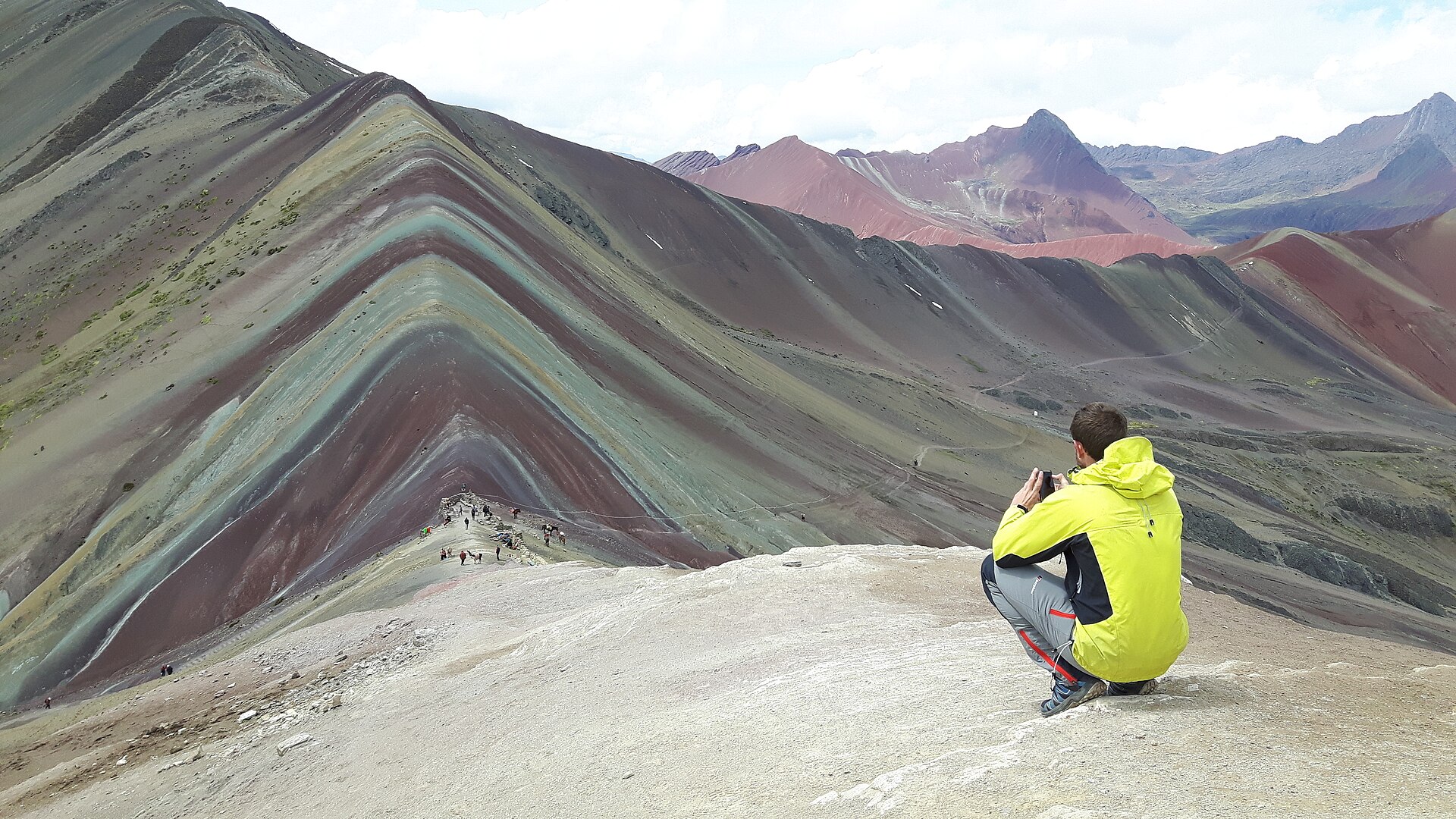
Rainbow Mountain and the Ausangate massif in the Peruvian AndesDifficult

Cusco & Sacred Valley, Peru

Ausangate & Rainbow Mountain Circuit

A high-altitude circuit around a sacred glaciated massif, taking in the naturally striped slopes of Rainbow Mountain along the way.

5 Days·5,200 m
Choquequirao Inca ruins in the Peruvian AndesStrenuous

Cusco & Sacred Valley, Peru

Choquequirao Trek

A demanding round trip into the Apurímac canyon to reach ruins as large as Machu Picchu but visited by a fraction of the trekkers.

5 Days·3,033 m
The Inca Trail approaching Machu Picchu, PeruDifficult

Cusco & Sacred Valley, Peru

Inca Trail to Machu Picchu

The classic four-day stone path built by the Inca, crossing Dead Woman's Pass to arrive at Machu Picchu through the Sun Gate at dawn.

4 Days·4,215 m

Ready to trek Lares Trek?

Share your travel dates and group size — we'll take care of permits, logistics, and local support.

Contact Us