No trek in the world carries the name recognition of the Inca Trail, and walking it explains why: this is the only route to Machu Picchu that arrives on foot, along a stone path the Inca themselves built more than 500 years ago, through a sequence of cloud-forest passes and ruin complexes that make the final citadel feel earned rather than simply visited.
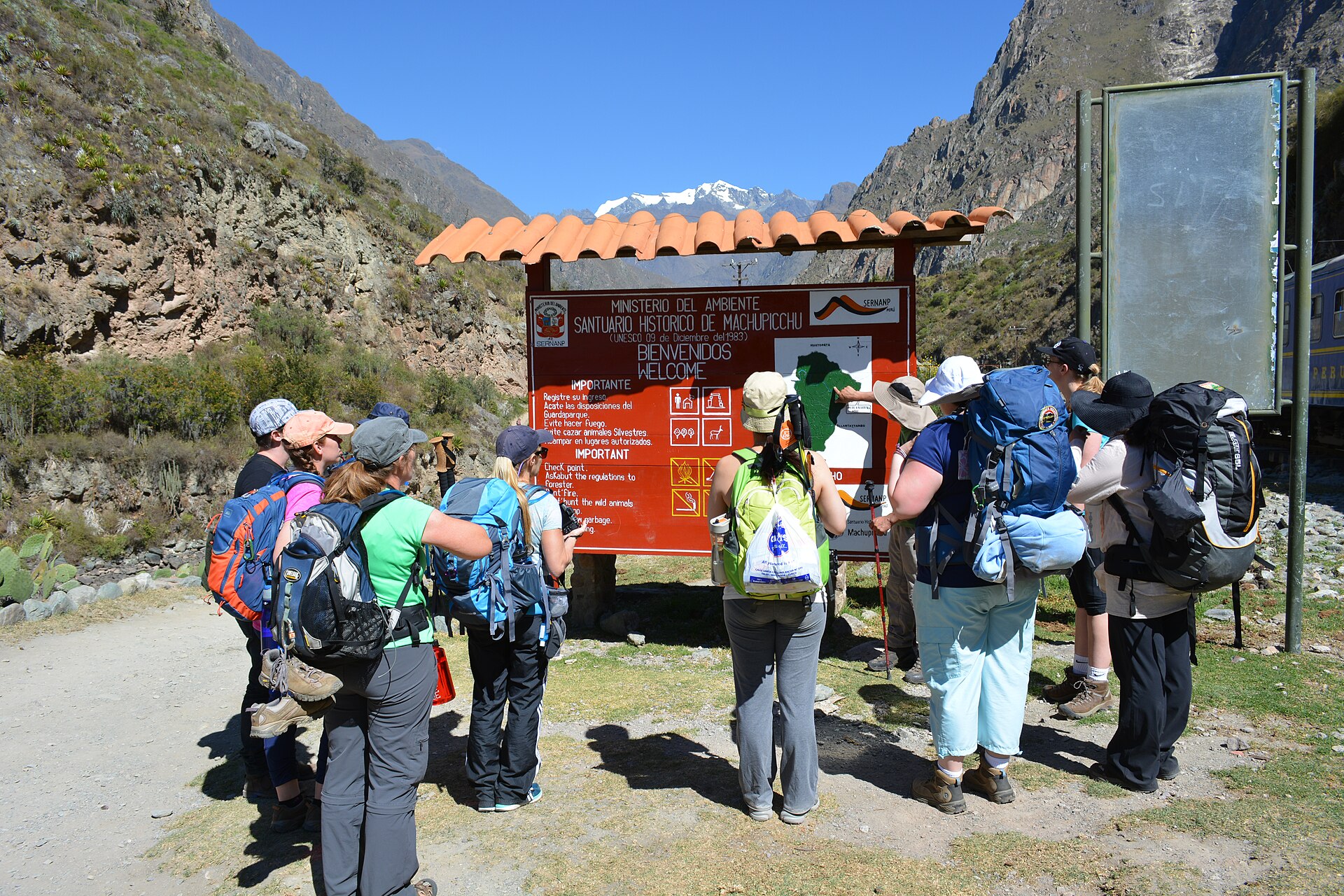
The trek’s reputation for difficulty is well founded — Dead Woman’s Pass on day two, at 4,215m, is a sustained, lung-testing climb — but it’s also one of the most logistically supported treks anywhere, with permits capping daily numbers and mandating a licensed operator, porters, and cooks. That regulation is exactly what keeps the trail in the condition it’s in and the ruins along the way free of crowds: Runkurakay’s circular watchtower and the terraced amphitheatre of Wiñay Wayna are as memorable as Machu Picchu itself for many trekkers.
The single most important planning detail is booking early: because of the strict daily permit cap, slots for the May–September dry season routinely sell out four to six months ahead, and the trail closes entirely every February for maintenance. Trekkers who miss a permit window aren’t out of options, though — Salkantay, Lares, and Choquequirao all offer a genuine Andean trekking experience without needing to book nearly as far ahead.